Heart Disease in Senior Dogs: Early Warning Signs Every Owner Should Know
Heart disease often develops silently in older dogs. Recognizing the early warning signs and scheduling regular cardiac screening can add comfortable years to your senior's life.
Heart disease becomes far more common as dogs age, and certain breeds — particularly small breeds like Cavalier King Charles Spaniels, Dachshunds, and Poodles — are predisposed to valve disease, while larger breeds are more prone to weakened heart muscle. The challenge is that the heart compensates quietly for a long time, so a dog can have significant disease before obvious symptoms appear. Learning the early warning signs helps you act before the heart decompensates.

1. The cough that lingers. A persistent cough, especially at night or after lying down, is one of the earliest signs of heart disease. An enlarged heart presses on the airways, and fluid backing up into the lungs causes a soft, moist cough. A cough that lasts more than a few days warrants a veterinary exam.
2. Reduced exercise tolerance. If your dog tires sooner on walks, lags behind, or sits down mid-walk, the heart may not be delivering enough oxygen to the muscles. This is easy to dismiss as normal aging, but a sudden or steady decline in stamina should be investigated.
3. Breathing changes. Rapid breathing, labored breath, or panting while resting are red flags. Count your dog's resting breathing rate; a sustained increase above their normal baseline is a reason to call your veterinarian.
4. Abdominal swelling and weight changes. Fluid accumulation in the abdomen (ascites) can make the belly look rounded and feel tight, even as the dog loses muscle and weight elsewhere. A swollen abdomen combined with reduced appetite is a serious sign.
5. Fainting or collapse. Episodes of collapse or fainting (syncope) indicate that the brain is briefly deprived of adequate blood flow. This is an emergency-level symptom that needs immediate evaluation.
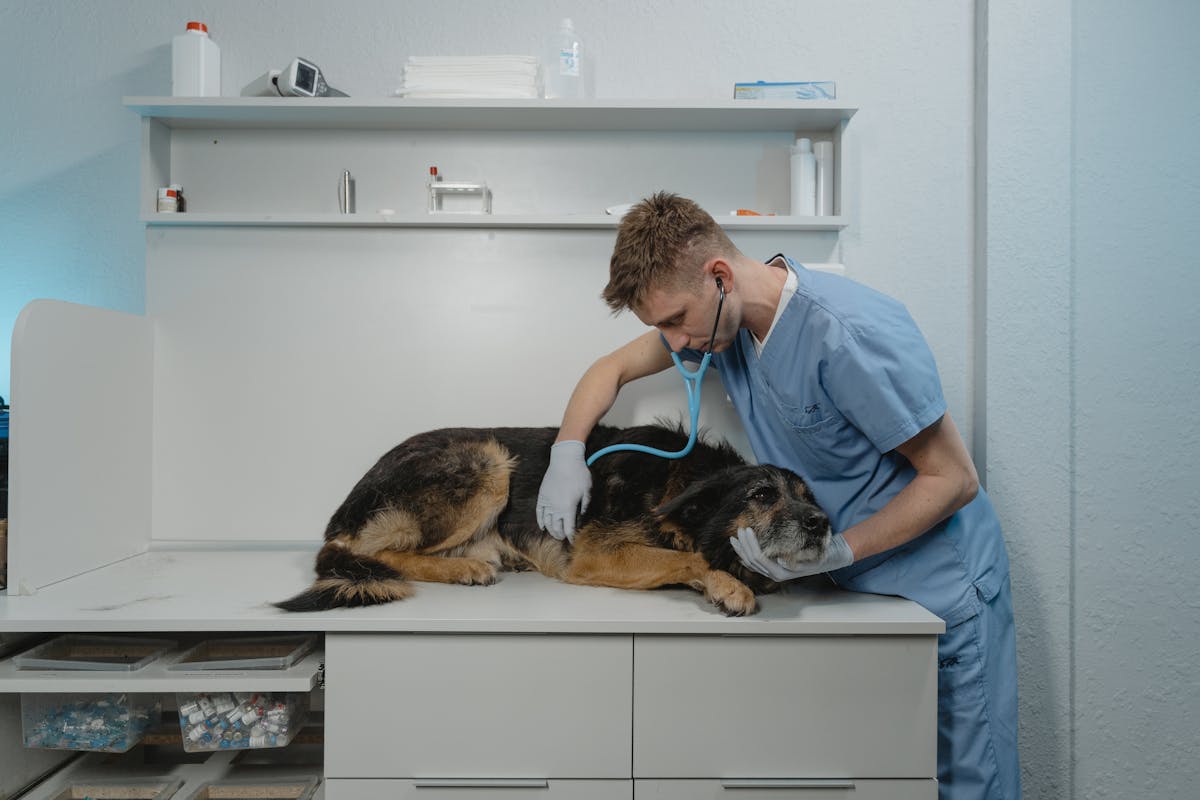
6. Diagnosis and monitoring. A stethoscope exam may reveal a murmur, but an echocardiogram (ultrasound of the heart) and chest X-rays are needed to assess the structure and function of the heart. Annual or twice-yearly screening for senior dogs, and more frequent checks for predisposed breeds, catches disease early.
7. Treatment options. Medications can strengthen the heartbeat, reduce fluid buildup, lower blood pressure, and ease the heart's workload. Early treatment, started before symptoms become severe, is associated with longer, more comfortable life.
Heart disease in senior dogs is often manageable for years with the right medication and monitoring. The earlier it is found, the more options your veterinarian has. This article is for informational purposes only and is not a substitute for veterinary advice — always consult your veterinarian about any breathing changes, cough, or collapse.
Helpful picks for this (#ad)
Invoxia Biotracker: a collar tracker the maker says can log heart and breathing rate; it does not replace a vet check.
Ruffwear Front Range Harness: a padded everyday harness with two leash points, an aluminum V-ring on the back and a webbing loop on the chest, per the maker.
Redmon Precision Digital Pet Scale: a pet scale that, according to its listing, weighs up to 225 lb in 2 oz steps, so you can log weight at home.
Next step: to keep an eye on your dog while you are out, see our dog camera picks for senior dogs.
Related guides: Can Dogs Have Heart Attacks? Signs in Senior Dogs and What to Do, Senior Dog Panting at Night: Normal Breathing Rate, 5 Causes and When to Worry
As an Amazon Associate, SILVERPAW earns from qualifying purchases.
Shop related senior dog essentials
Affiliate disclosure: SILVERPAW is a participant in the Amazon Associates Program. As an Amazon Associate, SILVERPAW earns from qualifying purchases at no extra cost to you. We only recommend products we believe help senior dogs. Prices, ratings, reviews, and stock are confirmed on Amazon.