Best Senior Dog Food for Large Breeds: How to Pick One (and 3 Bags to Start With)
Large dogs hit their senior years at 5 to 8. How to choose a senior food for a big dog, how to check body condition at home, and three large-breed bags to compare with your vet.
You paid for a 33-pound bag of "senior" food, and your 90-pound shepherd is either leaving it in the bowl or getting rounder on it. For a big dog, the right senior food is a large-breed formula with enough protein to protect muscle and a calorie level that keeps ribs easy to feel. Bags look alike, so the check is your dog's weight and waistline, not the front label.
Quick pick: For most healthy big seniors, start with a large-breed senior kibble such as Hill's Science Diet Adult 6+ Large Breed, and recheck weight in 4 weeks. Call your vet first if your dog has kidney, heart or pancreas problems, or is losing weight fast.

Photo: W. Silvas JB on Pexels
Best for X: three large-breed senior bags
- Best for an everyday large-breed senior kibble: Hill's Science Diet Adult 6+ Large Breed Dry Dog Food, 33 lb (#ad). The listing names glucosamine and chondroitin for joints and high-quality protein for lean muscle.
- Best for a big dog that likes shredded pieces: Purina Pro Plan Large Breed Adult 7 Plus Senior, Shredded Blend Chicken and Rice, 34 lb (#ad). The listing names glucosamine and EPA for joint health and a highly digestible large-breed formula.
- Best for a smaller first trial: Hill's Science Diet Adult 6+ Large Breed, 15 lb (#ad). Same Hill's formula in a smaller bag, so you are not stuck with 33 pounds if your dog refuses it.
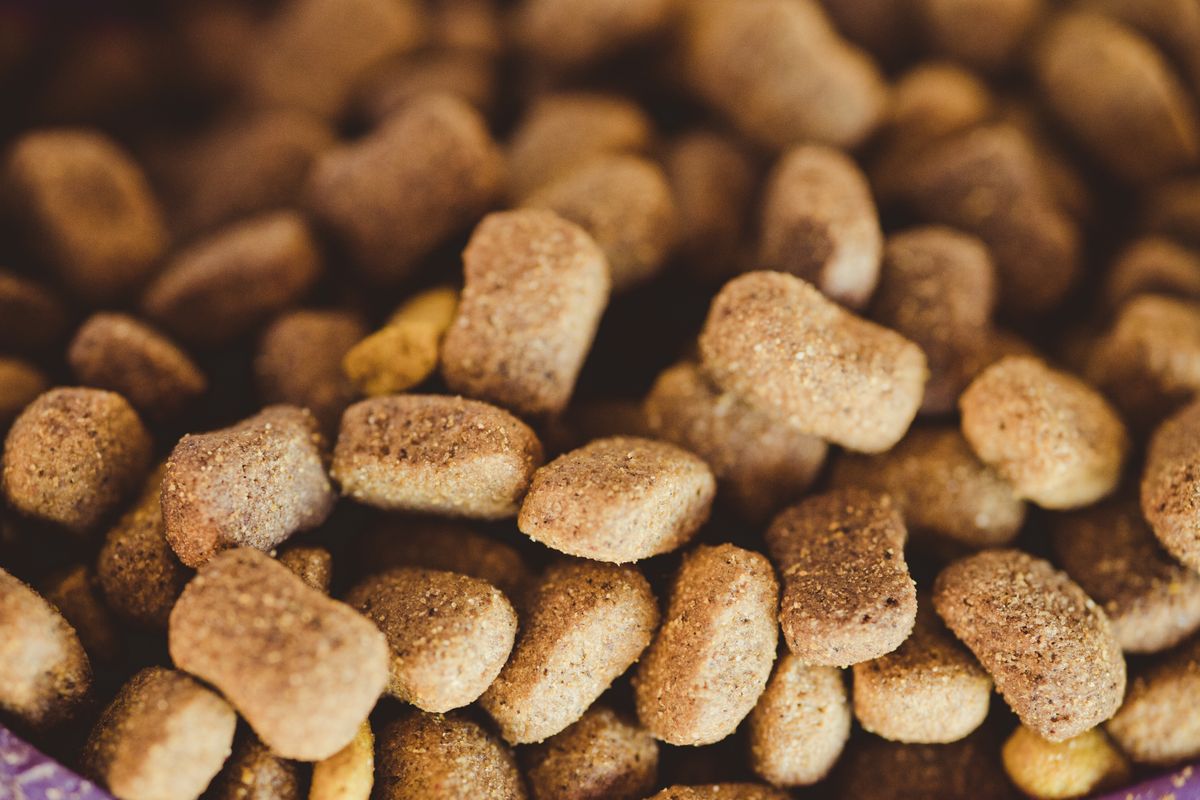
Photo: Rafael Rodrigues on Pexels
How to choose: what to compare
| What to check | What to look for | How to measure |
|---|---|---|
| Size on the bag | "Large breed" and a 6+ or 7+ age label | Read the front and the AAFCO statement |
| Protein | Around 28 to 32% on a dry-matter basis for a healthy older dog (AKC) | Convert from the guaranteed analysis, or ask the maker |
| Calories | Listed in kcal per cup | Judge by weight trend, not the cup chart alone |
| Joint extras | Glucosamine, chondroitin, EPA | Nice on the label, not a replacement for vet care |
| Body condition | Ribs felt under a thin layer of fat, visible waist | Run your hands over the ribs and look from above, monthly |
VCA states there are no established nutrient requirements for senior dogs, so two "senior" bags can differ a lot. The numbers matter more than the word on the front.
Measure before you switch
Big dogs enter their senior years between 5 and 8, per VCA. Ask your vet to show you the body condition score. VCA calls 5 on the 9-point scale ideal: ribs felt under minimal fat and a waist that curves in behind them. Switch over 7 to 10 days, then recheck in 4 weeks. Gaining means trim the portion. Losing without trying means a vet visit.
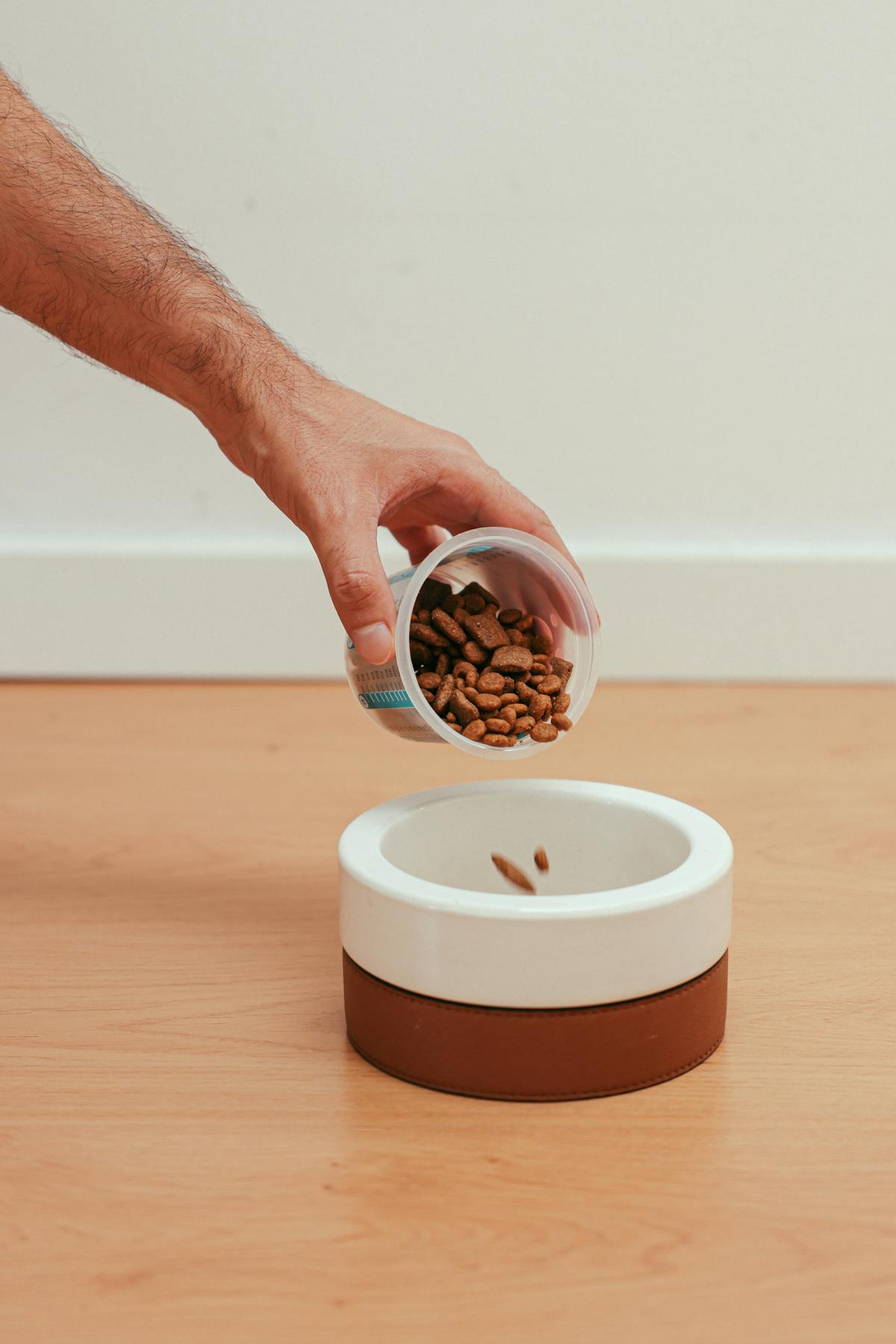
Photo: Cup of Couple on Pexels
Not a good fit for these dogs
Skip these bags and ask your vet first if your dog has kidney or heart disease, pancreatitis, a food allergy, or unexplained weight loss. Large chests can bloat: go to an emergency vet now if your dog has a swollen belly, retches without vomiting or struggles to breathe.
Checklist before you buy
- My vet has checked weight and body condition recently
- I read the AAFCO statement, protein and kcal per cup
- I bought the smaller bag first
- I will switch over 7 to 10 days
- I will recheck weight and ribs in 4 weeks

Photo: Gundula Vogel on Pexels
FAQ
Does a large senior dog need less protein?
Not if healthy. The AKC says older dogs need about 50% more protein to hold muscle. Dogs with kidney disease are different, so ask your vet.
Is a joint formula worth it?
It can help, but the AKC says evidence for glucosamine and chondroitin in food is limited. If your dog limps or struggles to stand, see your vet.
How many calories should a big senior get?
VCA says eating 20% to 25% fewer calories slowed age-related changes in adult dogs. Follow the weight trend, and tell your vet if the scale drops.
My dog won't eat the new food. What now?
Go back to the old food and call your vet. The AKC advises asking your vet if a senior dog is hard to feed.

Photo: Marian Havenga on Pexels
Sources
- VCA Animal Hospitals: Feeding Mature and Senior Dogs
- VCA Animal Hospitals: Body Condition Scores
- American Kennel Club: Best Dog Food for Senior Dogs
Related reading
- How to Read Senior Dog Food Labels
- Best Food for Senior Dogs With No Teeth
- Senior Dog Food for Small Breeds
As an Amazon Associate, SILVERPAW earns from qualifying purchases.
Shop related senior dog essentials
Affiliate disclosure: SILVERPAW is a participant in the Amazon Associates Program. As an Amazon Associate, SILVERPAW earns from qualifying purchases at no extra cost to you. We only recommend products we believe help senior dogs. Prices, ratings, reviews, and stock are confirmed on Amazon.